SIAL Paris 2026 highlighted both the opportunities and challenges facing food and beverage exporters in international markets.
From innovative food products and global distribution networks to intense competition and changing buyer expectations, the exhibition offered valuable lessons for SMEs looking to expand internationally, identify distributors, and turn trade fair participation into real business opportunities.
Trade fairs remain one of the most valuable opportunities for exporters to understand an industry, meet potential buyers, and build lasting business relationships.
However, attending an international exhibition does not automatically generate new customers or distribution agreements.
The difference often comes down to one factor: preparation.
During five days at SIAL Paris 2026, food producers, international buyers, distributors, and industry professionals gathered to explore new products and business opportunities.
Here are six lessons from the event that exporters can apply to their next international trade fair.
1. The Food and Beverage Industry Is More Innovative and Competitive Than Ever
One of the strongest impressions from SIAL Paris 2026 was the diversity of products, ingredients, and innovations presented by exhibitors from different countries.
From new food concepts to alternative ingredients and innovative packaging, the exhibition demonstrated how quickly the food and beverage industry is evolving.
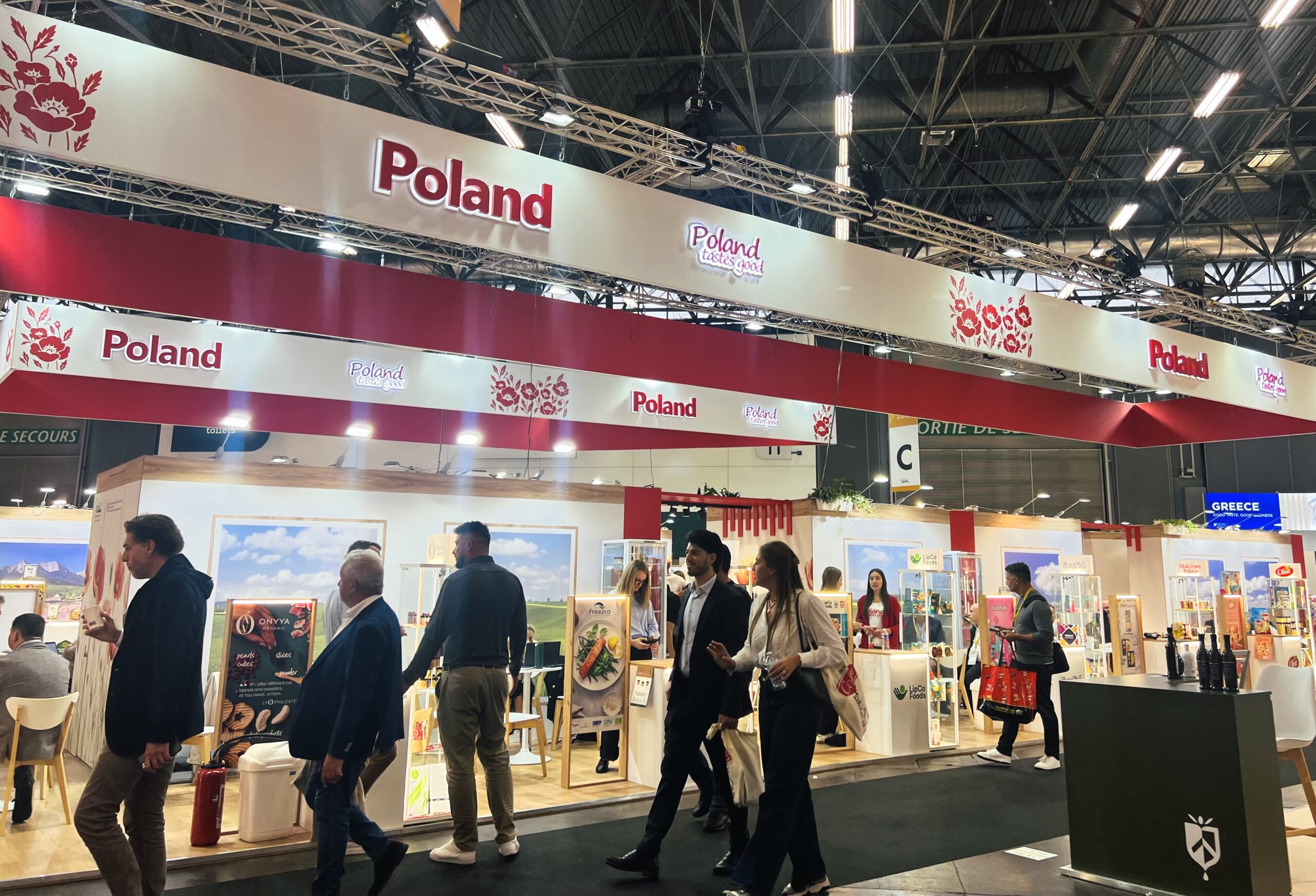
National pavilions also highlighted the international nature of the sector. Poland, for example, had a particularly visible presence, reflecting the importance of coordinated national participation in major trade exhibitions.
For exporters, this diversity presents both an opportunity and a challenge.
The opportunity: Discover emerging product categories, identify market trends, and explore new commercial partnerships.
The challenge: Compete in an increasingly crowded market where buyers can compare many similar products in one location.
A good product is important, but it is rarely enough on its own.
Exporters must understand how their products compare with local and international alternatives, and why a buyer should choose them.
2. Standing Out Requires More Than an Attractive Exhibition Stand
SIAL demonstrated how competitive the international food market has become.
Many exhibitors presented high-quality products, professional packaging, and attractive commercial offers.
However, companies selling similar products often compete for the attention of the same buyers and distributors.
For SMEs, differentiation requires more than product quality.
Before attending a trade fair, exporters should be able to answer several important questions:
- Who are our main competitors in the target market?
- How are comparable products positioned and priced?
- What makes our offer attractive to local buyers?
- Which distribution channels are most suitable for our product?
- What commercial arguments matter most to potential distributors?
Without this preparation, even an excellent product can struggle to attract qualified buyers.
3. Visitor Traffic Does Not Always Translate into Business Opportunities
Another important observation concerned the variation in visitor traffic during the exhibition.
Attendance appeared uneven across different days, and some exhibitors expressed disappointment with the number of visitors during quieter periods.
This illustrates a broader challenge faced by companies participating in international trade fairs.
A busy exhibition does not necessarily mean a successful exhibition.
What matters is not simply the number of visitors passing through a stand, but the number of relevant buyers, distributors, and business partners a company can engage with.
Exporters should therefore identify their priority contacts before the event and avoid relying entirely on spontaneous visits.
Quieter periods can also be valuable for meeting other exhibitors, identifying potential partners, and understanding the competitive landscape.
4. Many Exporters Still Arrive Without Sufficient Market Preparation
One of the most important lessons from SIAL Paris 2026 was the importance of understanding the target market before approaching potential partners.
During the exhibition, some companies were looking for assistance in entering the French market without having completed basic research on local competitors, distribution channels, or buyer expectations.
This can create difficulties when approaching experienced distributors.
For example, a French food distributor may expect an exporter to understand:
- The competitive positioning of the product in France
- Relevant regulations and labeling requirements
- Expected retail or wholesale price levels
- Distribution margins and commercial conditions
- The product’s competitive advantage
- The type of customers most likely to purchase it
Without this information, a first conversation may remain exploratory rather than becoming a concrete commercial opportunity.
Market research should take place before the exhibition, not after meeting a potential buyer.
5. Pre-Arranged Meetings Are More Valuable Than Random Contacts
International exhibitions increasingly provide digital matchmaking platforms to help exhibitors and visitors arrange meetings in advance.
SIAL’s Vi-meet platform is one example.
However, such tools are most useful when companies already know which buyers and distributors they want to approach.
A successful meeting strategy should begin several weeks before the exhibition.
Exporters should identify target companies, research their activities, understand their distribution networks, and prepare personalized messages.
This approach helps companies focus their time on contacts with a realistic commercial fit.
It also creates a stronger starting point for discussions because the exporter can explain why a potential partnership makes sense.
6. The Real Value of a Trade Fair Depends on What Happens Before and After
Trade fairs are particularly effective for building relationships and understanding how an industry operates.
But the commercial value of participation depends on a broader process.
Before the exhibition
Identify target markets, research competitors, prepare a buyer list, understand the buyer journey, and arrange meetings.
During the exhibition
Meet qualified contacts, validate market assumptions, collect commercial intelligence, and adapt the sales message based on buyer feedback.
After the exhibition
Prioritize leads, follow up with potential buyers, evaluate distributor opportunities, and turn discussions into a structured international sales pipeline.
The objective is not simply to collect business cards.
It is to transform market intelligence and personal connections into measurable business opportunities.
How Manatex.digital Helps Exporters Prepare for International Trade Fairs
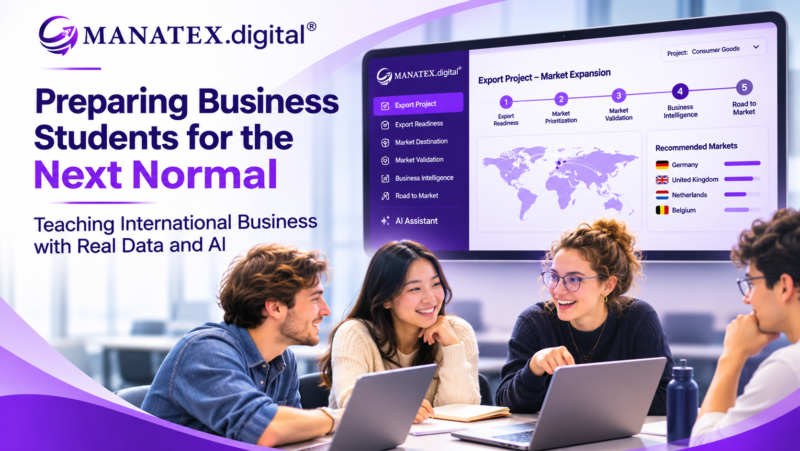
The Manatex team has spent more than three years developing Manatex.digital, an AI-powered market expansion platform designed to help SMEs make better international business decisions.
Beyond traditional market research, the platform supports companies throughout the international expansion process, from identifying attractive markets to finding potential clients, distributors, and business partners.
For companies preparing to attend international exhibitions such as SIAL, Manatex.digital can help with:
- Market selection: Identify and compare countries with attractive commercial opportunities.
- Market intelligence: Understand local demand, competition, regulations, pricing, and distribution channels.
- Buyer journey analysis: Identify buyer profiles, decision-makers, and the factors influencing purchasing decisions.
- International prospecting: Research potential clients, distributors, and commercial partners in target markets.
- Trade fair preparation: Develop targeted research projects to identify relevant events, companies, and commercial opportunities.
- Road-to-market planning: Turn market research into a structured commercial action plan.
By combining market intelligence, AI-assisted research, and practical export methodologies, Manatex.digital helps companies approach international trade fairs with clearer priorities and better preparation.
Conclusion: Trade Fairs Remain Valuable, but Preparation Makes the Difference
SIAL Paris 2026 demonstrated the energy, innovation, and international opportunities of the food and beverage industry.
It also highlighted the challenges facing exporters in increasingly competitive markets.
Trade fairs remain an important place to discover products, meet buyers, and build business relationships.
However, successful international expansion requires more than attending an exhibition.
The companies that get the most value from trade fairs are those that arrive with market knowledge, a clear commercial strategy, and a list of qualified potential partners.
With the right preparation, every international exhibition can become an important step toward entering new markets and developing long-term international sales.
Planning your next international trade fair?
Explore Manatex.digital to research target markets, identify potential buyers and distributors, and prepare your international expansion strategy.