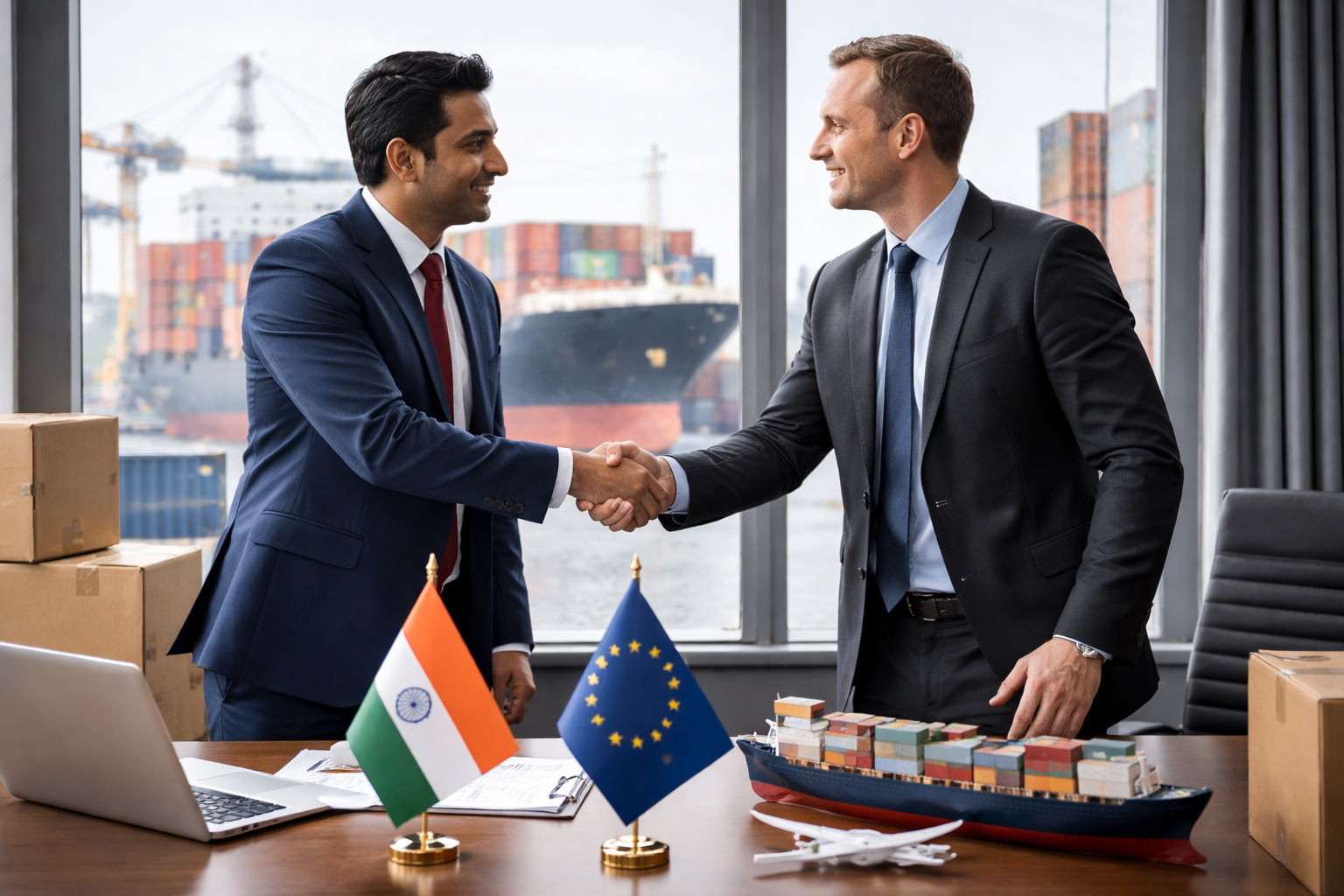
The new EU-Mercosur trade deal is creating major new export opportunities for companies looking to grow in South America and Europe. For international businesses, this agreement means better market access, lower tariffs in many sectors, and stronger long-term potential across a market of more than 700 million consumers. But exporters should not look only at the opportunity side. To benefit fully, they also need to understand rules of origin, quotas, compliance requirements, and the practical differences between Mercosur markets such as Brazil, Argentina, Uruguay, and Paraguay.
What does this mean for exporters?
The practical story is: tariffs come down, access improves, and rules get stricter.
Here’s what’s changing:
Industrial goods (EU → Mercosur):
Mercosur has historically applied high duties on EU industrial exports (think cars/parts, machinery, chemicals, pharma). The agreement phases in major tariff reductions—this is where many EU exporters see the biggest upside. (European Commission)
Agri-food (Mercosur → EU):
The deal expands access to the EU market, with some products managed via quotas rather than full liberalisation. The headline everyone debates is beef: the EU allows up to 99,000 tonnes/year under a 7.5% duty (not duty-free). (European Commission)
Two-way tariff elimination (the macro headline):
EU materials summarise the trade component as eliminating import duties on ~92% of Mercosur goods exported to the EU (and a similar share in the other direction, phased over time).
Status / timing (important if you post about it):
Ratification is moving fast in South America: Uruguay and Argentina ratified first, and Brazil’s Congress ratified on 4 March 2026; Paraguay is still pending.
Watch out for these “Red Flags”
It’s not all smooth sailing, exporters should track:
1) Sustainability and political risk (EU side):
The deal remains politically sensitive in Europe (farmers + environmental concerns) and faces legal/political hurdles that can affect timelines and implementation details.
2) Rules of origin:
Preferential tariffs only apply if you can prove origin (documentation, supplier declarations, transformation rules). If you assemble from third-country inputs, you may not qualify.
3) Quotas / safeguards in sensitive agri categories:
For products like beef, the opportunity is real, but it’s controlled (quota volumes, duty rates, compliance), and the politics can trigger additional scrutiny.
Why work with Manatex.digital?
EU – Mercosur is big, promising… and complicated. Most teams lose time in the same places:
Which Mercosur market to start with? What segment is actually buying? Who are the local competitors and distributors? What pricing corridor is realistic after duties and logistics?
Manatex.digital helps you plan and execute market entry step-by-step:
- Cutting costs and time: avoid wrong-market choices and dead-end entry scenarios
- Fast market intelligence: collect economic, demand and competitor signals in days (not months)
- Guided execution: from market selection → positioning → partner shortlists → outreach sequences
- Risk reduction: spot compliance and “origin” pitfalls early, before you quote prices
Bottom line: This agreement opens doors, but winners will be the exporters who move fast and move smart.
Picture: ChatGPT